Cat Grooming
Cat Grooming constitutes a specialized feline dermatological hygiene discipline designed to support feline coat maintenance, prevent severe hairball ingestion, eliminate dermal matting, and protect thin feline skin using feline-safe chemistry and fear-free handling techniques.
Foundational Guides & Core Pillars
Cat Grooming Under Sedation Cost UK: Veterinary Pricing Guide
Veterinary fee analysis, safe sedative protocols, and clinical welfare standards for grooming high-stress or severely matted cats.
What Soap Is Safe for Cats? Feline Bathing Ingredients & pH Guide
Critical chemical breakdown of feline epidermis pH (6.0–6.5), essential oil toxicity warnings, and safe soap-free shampoo ingredients.
Where Is Cat Declawing Still Legal? Feline Welfare & Alternatives
Comprehensive veterinary welfare analysis of declawing legislation, orthopedic side effects, and modern nail trimming alternatives.
What Are the Black Bits in Cat’s Coat? Flea Dirt Detection & Treatment Guide
Practical wet-paper diagnostic protocol for identifying flea dirt versus dander, followed by therapeutic feline bath eradication.
Feline Coat Science: Self-Grooming Limits, Dermal Sensitivity & Low-Stress Techniques
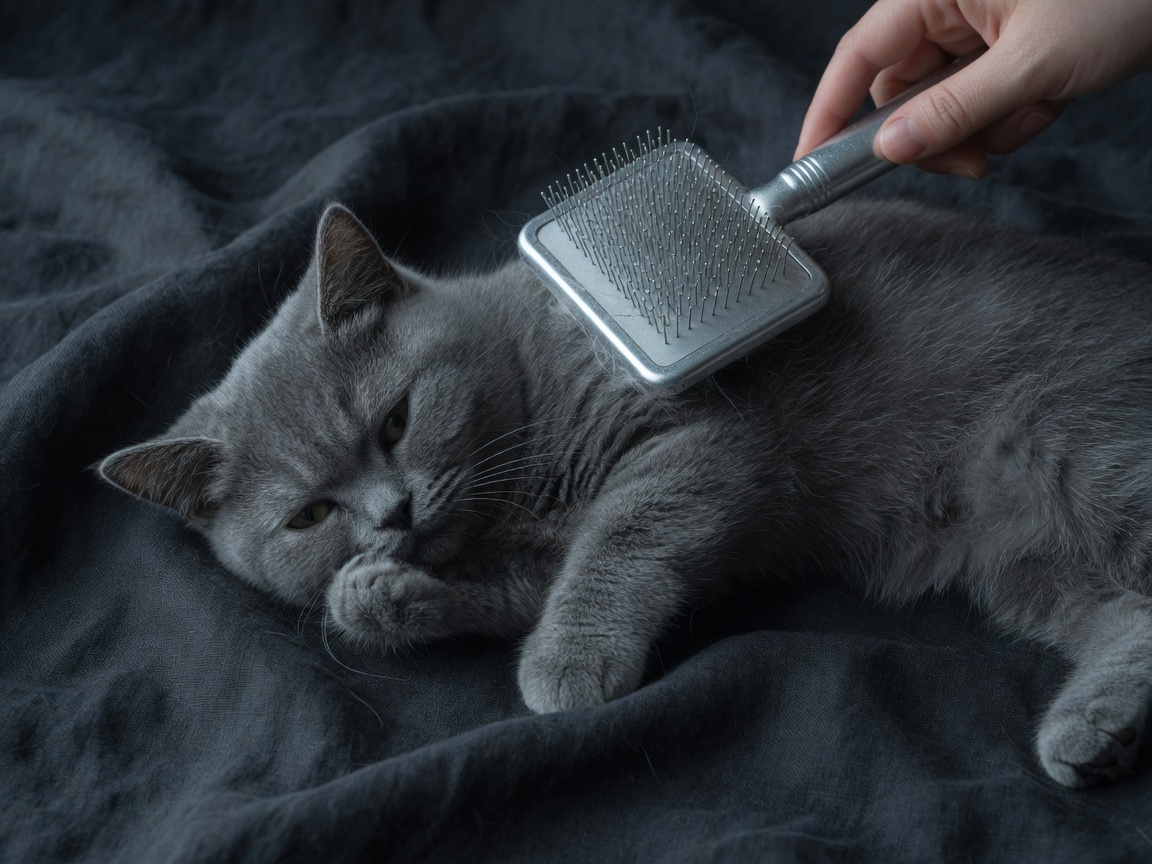
While cats spend up to 30% of their waking hours self-grooming with backward-facing keratin filiform papillae on their tongues, domestic felines face distinct physical limitations. The feline tongue effectively removes loose hairs but ingests them, leading to gastric trichobezoars (hairballs), digestive impactions, and secondary vomiting. In long-haired, senior, arthritic, or overweight felines, self-grooming fails completely across the lumbar spine, armpits, and sanitary zones, creating tight felted mats that pinch delicate skin and restrict movement.
Feline skin is extraordinarily thin—averaging nearly half the dermal thickness of canine skin—and possesses a delicate acid mantle requiring specialized pH 6.0 to 6.5 cleansing agents. Cats are uniquely sensitive to essential oils, phenols, and tea tree extracts due to deficient hepatic glucuronidation enzyme pathways (specifically UGT1A6), meaning toxic topical ingredients are absorbed quickly through the skin or ingested during post-groom licking.
Professional cat grooming requires low-stress, fear-free handling protocols. Cats possess an explosive fight-or-flight adrenal response; forceful restraint triggers panic and elevated respiratory distress. Groomers utilize non-slip silicone pads, warm towel wraps (‘cat burritos’), quiet variable-speed clippers, and low-noise air diffusers. Regular nail trimming every 2 to 3 weeks blunts sharp needle tips, preventing accidental claw injuries and allowing gentle combing with fine-toothed metal combs down to the dermal layer.
| Geline Care Domain | Recommended Tool / Method | Optimal Cadence / Threshold | Clinical Benefit & Welfare Safeguard |
|---|---|---|---|
| Fine-Tooth Greyhound Combing | 0.5mm Spacing Steel Comb | Daily (Longhair) / 2x Wk (Shorthair) | Stops hair ingestion; eliminates trichobezoars & painful armpit felt mats |
| Claw Blunting & Trimming | Scissor-Style Cat Nail Clippers | Every 14–21 Days | Prevents painful ingrown pad curling, furniture damage & accidental scratch trauma |
| Ocular & Facial Folds Rinse | Sterile Isotonic Saline & Gauze | Daily (Brachycephalic breeds) | Removes corrosive porphyrin tear overflow; halts bacterial facial dermatitis |
| Low-Stress Degreasing Bath | Fragrance-Free Cat Degreasing Paste | Every 6–12 Weeks (as needed) | Eliminates stud tail sebum buildup; cleanses coat without hepatic toxic shock |
| Sanitary & Belly Shave | #10 Surgical Blade / Low-Noise Clipper | Every 6–8 Weeks | Maintains perianal cleanliness; prevents fecal soiling and painful urine scald |
Topic Directory & Specialized Workflows
Veterinary Care, Sedation & Coat Health
Safe Bathing, Shampoos & Ingredients
Breed-Specific Coat Maintenance & Behavior
Frequently Asked Questions: Cat Grooming
Do cats actually need to be bathed by humans?
While short-haired indoor cats rarely require frequent water baths, long-haired breeds (like Persians and Maine Coons), elderly cats with arthritis, or cats suffering from flea infestations and stud tail require routine therapeutic baths to maintain dermal health.
Why is human shampoo dangerous for cats?
Human shampoo is formulated for an acidic human scalp (pH 5.5) and strips feline skin of its protective lipid mantle, leading to severe dermatitis. Additionally, human products often contain synthetic fragrances and chemical additives that are toxic when cats lick their fur.
What should you do if your cat gets a tight mat near the skin?
Never attempt to cut a mat out with household scissors. Feline skin is paper-thin and easily pulls up into the mat, leading to severe lacerations. Instead, use a blunt-tipped #10 clipper blade or seek a professional feline groomer for safe dematting.
How do groomers handle cats that panic during grooming?
Professional feline groomers use Fear Free techniques including pheromone diffusers (Feliway), towel-wrap swaddling, calm minimal restraint, and brief sessions with breaks. If a cat exhibits extreme distress, veterinary-supervised mild sedation is recommended.
 What foods reduce cat dander?
 How do you hold a cat to cut nails?
 What topical antibiotic ointment is safe for cats?
 What do cat hates the most?
 Do cats need to brush their teeth?
 Do cats miss you when you leave?
 Is there an alternative to brushing cats teeth?
 Why do cats rub against you constantly?
 Do cats like it when you meow back?
Short coats versus lion cuts on the cat desk
Cat grooming on this site splits by coat length. American and British shorthairs are brush-and-shed desks. Persians and Ragdolls are comb-and-mat desks. Lion-cut questions stay on those long-hair URLs.
- Do short-hair cats need brushing?
- Yes. American Shorthairs still drop undercoat and need a regular brush pass. Do American Shorthairs need brushing?.
- Can I bathe a Persian every week?
- Weekly baths are possible on a show coat. Most household Persians need fewer washes and more combing. Weekly Persian baths.
- Are Ragdolls happy kept indoors with a long coat?
- Yes. Indoor life still needs mat checks along the ruff and trousers. Indoor Ragdolls.
Next read
Keep going with guides, puppies, or cats.