Do indoor cats have dander?

Having an indoor pet can be a wonderful experience. Cats are the most popular choice of pet and can bring a lot of joy to your home. But cats can also bring something else – dander. Dander is a type of allergen that can cause reactions in people who are sensitive to it. So, it’s important to know if indoor cats have dander and what can be done to help manage it. In this article, we’ll discuss the presence of dander in indoor cats and how to minimize its effects.
Do indoor cats have dander?
Many pet owners are surprised to learn that cats can cause allergies in some people, even if they live indoors. Unfortunately, the answer to this question is yes, cats do produce dander, which can trigger allergies in some people.
What is Cat Dander?
Cat dander is made up of tiny particles of skin that cats shed. All animals, including humans, shed skin cells, but cats are particularly prone to producing dander because of their thick fur, which traps the particles. Cat dander can be found in carpets, furniture, and other surfaces in the home.
What Causes Cat Allergies?
Cat allergies are caused by the proteins found in cat saliva, urine, and dander. When a person is exposed to these proteins, their immune system reacts and causes allergic symptoms such as itching, sneezing, and red, watery eyes.
Can Indoor Cats Cause Allergies?
Yes, indoor cats can cause allergies. Even though an indoor cat does not have as much exposure to allergens as an outdoor cat, they still produce dander, which can be spread throughout the home and cause allergic reactions.
How to Minimize Allergic Reactions to Indoor Cats
There are several things that can be done to minimize allergic reactions to indoor cats.
Regular Grooming
Table of Contents
Regular grooming of your cat can help reduce the amount of dander they produce. Be sure to use a gentle shampoo, and brush your cat regularly to remove loose fur and dander.
Vacuuming and Dusting
Vacuuming and dusting your home regularly can help reduce the amount of dander in your home. Be sure to use a vacuum with a HEPA filter, as this will help remove more of the dander from your home.
Air Filters
Air filters can help to reduce the amount of airborne dander in your home. Look for air filters with a high MERV rating, as these will be more effective at trapping dander.
Bathing Your Cat
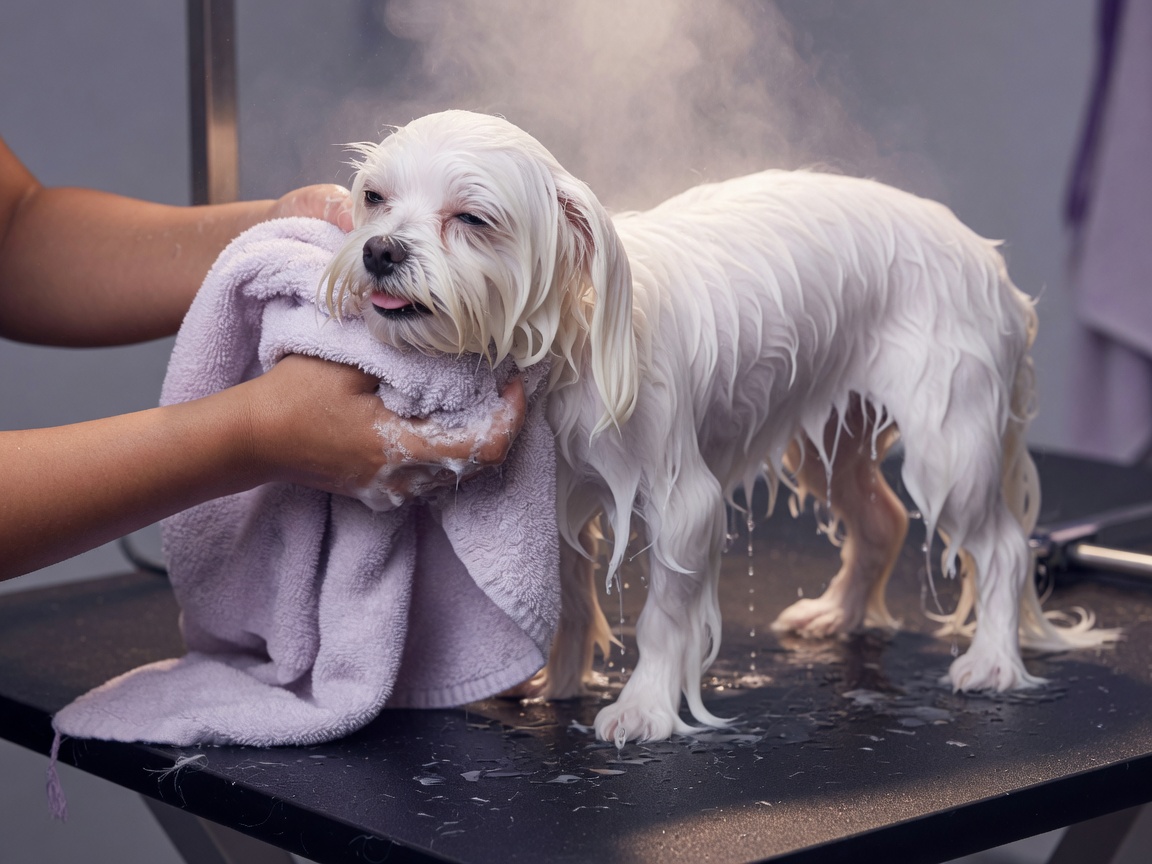
Bathing your cat can help reduce the amount of dander they produce. It’s important to use a gentle shampoo specifically designed for cats, as this will help to minimize skin irritation. Be sure to talk to your vet to determine how often your cat should be bathed.
Keeping Your Cat Out of Certain Rooms
If you are allergic to your cat, it can help to keep them out of certain rooms in your house, such as the bedroom. This will help to limit your exposure to cat dander and reduce your allergic symptoms.
Keeping Your Cat Outside
If you are severely allergic to cats, it may be best to keep them outside. Outdoor cats can still produce dander, but the amount of dander in the home environment will be much lower.
**Common Myths About Indoor Cats and Dander**
Myth 1: Indoor cats don’t have dander.
False. Indoor cats can still produce dander, just like any other type of pet. Dander is not exclusive to outdoor cats, and all cats can shed dander, which is why it’s important to groom and bathe your cat regularly.
Myth 2: Dander causes respiratory problems.
False. While dander can trigger many respiratory problems, it is not the direct cause. Allergens, such as pollen and dust, are the primary culprits in triggering respiratory problems in people, not dander.
Myth 3: Dander is only produced by cats.
False. While cats are the most common source of pet dander, other animals, such as dogs and rabbits, can also produce dander. It is important to groom and bathe all pets regularly to reduce the amount of dander in your home.
Frequently Asked Questions
Do indoor cats have dander?
Answer: Yes, indoor cats can still produce dander, which are tiny particles of skin shed by cats. The dander can contain allergens that can cause reactions in people who are allergic to cats.
How can I reduce the dander from my indoor cat?
Answer: Regularly grooming your cat with a brush can help reduce the amount of dander produced. Additionally, vacuuming carpets and furniture regularly, and using air purifiers to filter the air can help reduce the amount of dander in your home.
Conclusion
Indoor cats can cause allergies in some people due to dander, which are tiny particles of shed skin. Dander is trapped in the fur, and can be found in carpets, furniture and other surfaces in the home. To minimize allergic reactions, regular grooming, vacuuming and dusting, using air filters, bathing your cat and keeping them out of certain rooms can all help. If someone is severely allergic, keeping the cat outside may be the best option.
Get our latest guides, news, and insights highlighted in your Google Search & AI Overviews.
Keep reading about the same coat and cut.


Popular grooming guides
Bath vs clip, first grooms, and salon how-tos.