Do British Shorthairs destroy furniture?
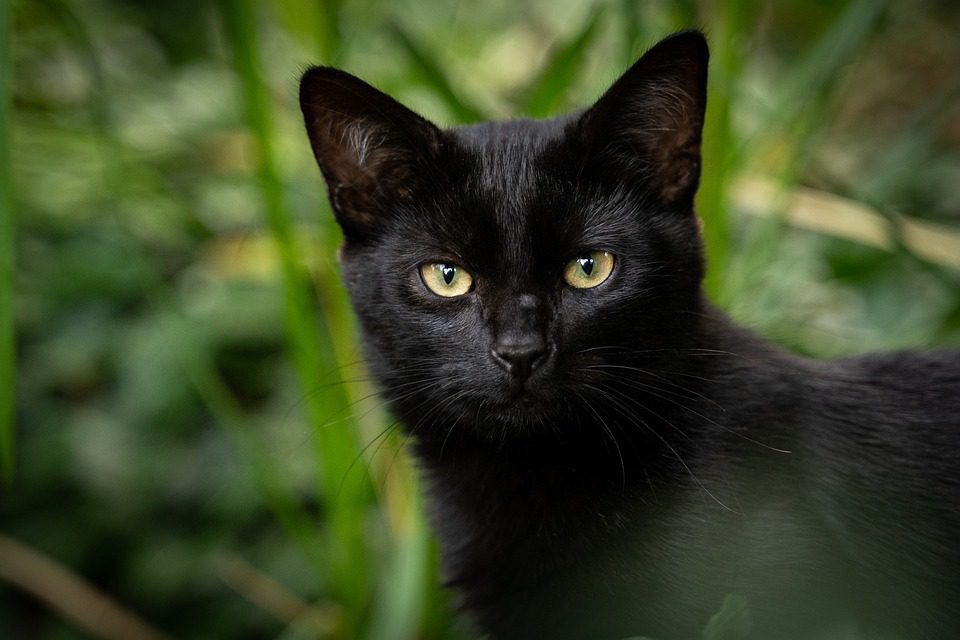
The British Shorthair is a popular breed of cat that is known for its friendly personality and adorable looks. Unfortunately, these cats can sometimes have a destructive streak, leading to worries from some owners that they might damage their furniture. So, do British Shorthairs really destroy furniture? The answer is both yes and no. While they may be prone to scratching and clawing at furniture, it is possible to train them to not do so. With proper training and plenty of positive reinforcement, your British Shorthair can learn to keep their claws to themselves.
General Overview of British Shorthairs
Table of Contents
British Shorthairs are a breed of cats that originated in the United Kingdom. They are known for their thick, plush coats and round faces. They have a calm, gentle personality, making them a great choice for families. British Shorthairs are generally quite intelligent, loyal, and affectionate cats. They are also fairly easy to care for and can even be trained to do simple tricks.
Do British Shorthairs Destroy Furniture?
British Shorthairs can be quite playful and energetic, which can sometimes get them into trouble. They may be tempted to jump on furniture, scratch upholstery, or even claw at carpets and curtains. However, this behavior is not always inevitable. Proper training, discipline, and plenty of exercise can help to minimize destructive behavior.
It is also important to make sure that your British Shorthair has plenty of acceptable outlets for its energy. Providing plenty of scratching posts, cat trees, and toys can help to keep your cat busy and out of trouble. Additionally, providing a variety of different textures and surfaces can help to keep your cat from getting bored.
Training Your British Shorthair
The most important thing you can do to minimize your cat’s destructive behavior is to train it. Training your British Shorthair can be done using positive reinforcement. This means rewarding your cat for good behavior and not punishing it for bad behavior.
Start by providing your cat with plenty of acceptable outlets for its energy. This includes scratching posts, cat trees, and toys. When your cat does something you don’t want it to do, like jump on the furniture or scratch the sofa, distract it with a toy or a treat. This will help your cat learn that it is much more fun to play with toys than it is to scratch furniture.
You can also use positive reinforcement to teach your cat to stay off of furniture. Whenever you see your cat starting to climb on furniture, use a firm voice to say “no” and then give it a toy or treat. This will help your cat to learn that it will get a reward for staying off of the furniture.
Conclusion
Overall, British Shorthairs can be quite playful and energetic cats. While they may be tempted to jump on furniture or scratch upholstery, this behavior can be minimized with proper training and discipline. Providing plenty of acceptable outlets for your cat’s energy, such as scratching posts, cat trees, and toys, can also help to keep your cat from getting into trouble. Finally, using positive reinforcement to reward good behavior and distract from bad behavior can help to train your British Shorthair to stay off furniture.
Common Misconceptions About British Shorthairs and Furniture
Myth: British Shorthairs are natural furniture destroyers.
Fact: British Shorthairs are no more likely to destroy furniture than other cats. All cats may scratch furniture, but this can be deterred with proper training, such as providing appropriate scratching posts and rewarding desired behavior.
Myth: British Shorthairs are high-maintenance cats.
Fact: British Shorthairs are actually one of the lowest-maintenance cats. They are independent and affectionate cats who are content to spend time alone, and they are not particularly active cats. They are known to be low-maintenance when it comes to grooming and do not require frequent bathing.
Myth: British Shorthairs are not suitable for families with children.
Fact: British Shorthairs are an excellent choice for families with children. They are gentle and loving cats who enjoy interacting with people and being around children. They can often be seen lounging and playing with their families.
Frequently Asked Questions
Do British Shorthairs destroy furniture?
No, British Shorthairs are generally very well-mannered cats and are not prone to furniture destruction. They are also quite content with their toys and scratching posts and do not require much furniture for entertainment.
Are British Shorthairs good around children?
Yes, British Shorthairs are known to form strong bonds with children and are usually very tolerant of them. They are patient and gentle cats, so they make great family pets.
Conclusion
.
British Shorthairs are a popular breed of cats known for their thick, plush coats and gentle personalities. Though they can sometimes be tempted to scratch furniture and other items, proper training, discipline, and plenty of exercise can help minimize this behavior. Providing scratching posts, cat trees, and toys can also help keep them entertained and out of trouble. Positive reinforcement is the best way to train your British Shorthair, rewarding them for good behavior and distracting them from bad behavior. With the right training and care, British Shorthairs can be loyal and affectionate companions.
Get our latest guides, news, and insights highlighted in your Google Search & AI Overviews.
Keep reading about the same coat and cut.



Popular grooming guides
Bath vs clip, first grooms, and salon how-tos.