Is it cruel to shave a cat?
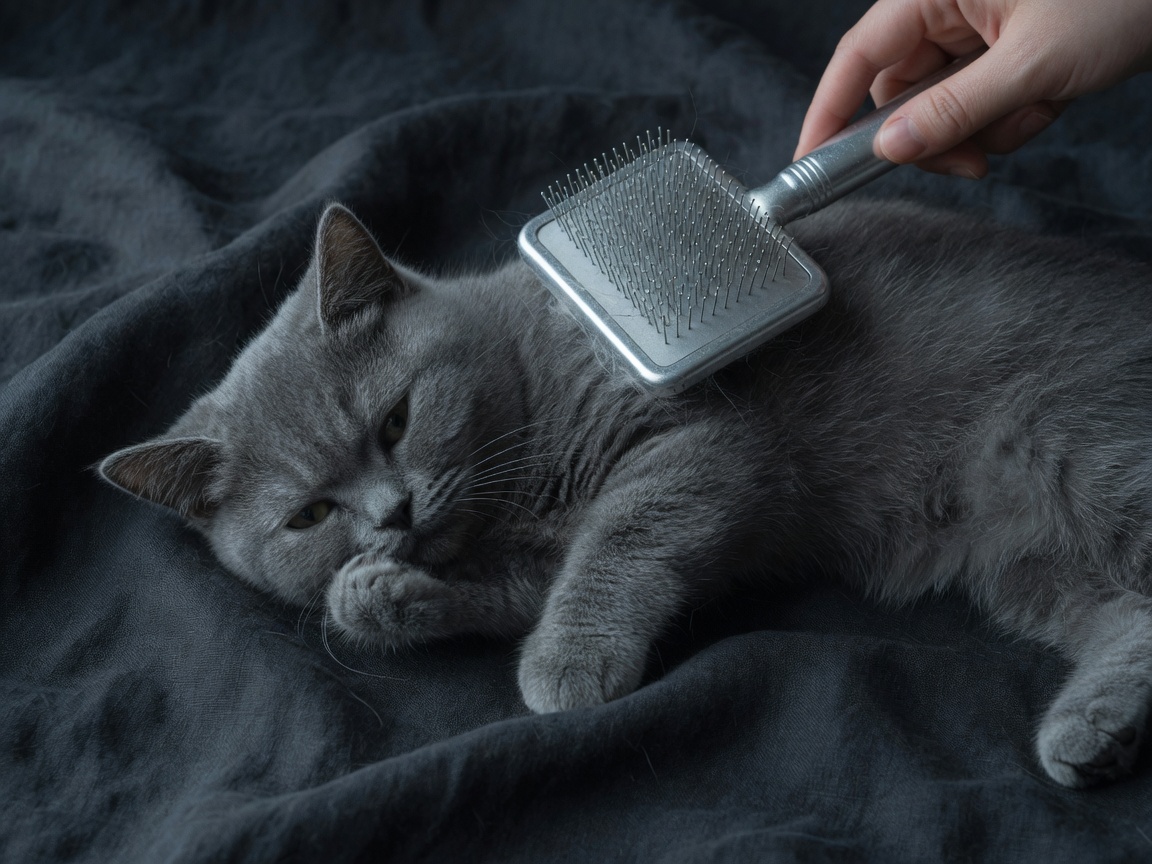
When pet owners face severe fur tangles or hot summer weather, they often question: is it abuse to shave your cat? Veterinary behaviorists explain that shaving a healthy short-haired cat purely for owner convenience or aesthetics is unethical and detrimental because feline fur provides critical thermal insulation, sensory tactile whiskers, and skin barrier defense; however, shaving is medically necessary and humane (not abuse) when removing severe, painful pelted mats, treating flea/ringworm dermatological infections, or relieving senior/arthritic cats unable to self-groom.
Feline Welfare and Veterinary Ethics: Is It Abuse to Shave Your Cat or Medically Necessary?
Table of Contents
Unlike dogs, feline skin is paper-thin and highly elastic, making close clipper shaving dangerous if done without professional training. When evaluating whether is it abuse to shave your cat, examine the ethical boundary between cosmetic shaving and medical necessity:
| Shaving Scenario / Justification | Welfare Impact & Cat Experience | Veterinary & Feline Ethics Assessment | Recommended Alternative Treatment |
|---|---|---|---|
| Severe Felted Matting & Pelting | Mats pull skin taut, causing bruises, ulcers, and restricted limb motion | Medically Mandatory / Humane: Leaving severe mats is animal neglect; shaving relieves chronic pain | Humane salon/veterinary shave-down (#10 blade) followed by daily brushing |
| Cosmetic / Aesthetic “Lion Cut” on Healthy Fur | Causes extreme stress, behavioral depression, shivering, and vulnerability to sunburn | Discouraged / Inappropriate: Feline coats insulate against heat; shaving does not cool healthy cats | Daily deshedding with a metal comb and slicker brush |
| Senior / Arthritic Self-Grooming Failure | Prevents fecal impaction and urine scalding on hind legs and tail base | Approved Hygiene Care: Spot sanitary/hygiene clip maintains comfort and dignity | Targeted “sanitary clip” (rear only) rather than full-body shave |
| Medical Surgery or Ultrasound Prep | Temporary localized fur removal for clinical access | Standard Clinical Procedure | Surgical site shave by licensed veterinary staff |
Top 3 Dangers of Unnecessary Cat Shaving
- Laceration of Paper-Thin Skin: Feline skin folds easily into clipper teeth; amateur shaving frequently causes deep skin tears requiring emergency sutures.
- Loss of Thermal Regulation: Cats maintain a higher baseline temperature (100.5°F–102.5°F); shaving exposes them to hypothermia in air-conditioned homes and severe solar sunburn outdoors.
- Sensory and Psychological Trauma: High-vibration clippers cause intense sensory stress, leading to litter box avoidance, hiding, and grooming trauma.
Frequently Asked Questions (FAQ)
Does a lion cut keep a cat cooler in the summer?
No. A cat’s coat acts as thermal insulation, trapping a layer of cool air next to the skin. Shaving actually increases the risk of overheating and sunburn.
Can cat fur grow back differently after being shaved?
Yes. In color-point breeds like Siamese, Balinese, or Himalayans, shaved fur often grows back noticeably darker due to temperature-sensitive melanin enzymes.
How can I prevent my long-haired cat from needing a shave?
Comb your cat daily for 5 minutes using a metal greyhound comb to remove dead undercoat before knots can form into felted mats.
Get our latest guides, news, and insights highlighted in your Google Search & AI Overviews.
Keep reading about the same coat and cut.
Popular grooming guides
Bath vs clip, first grooms, and salon how-tos.