How do you train a cat not to use claws?
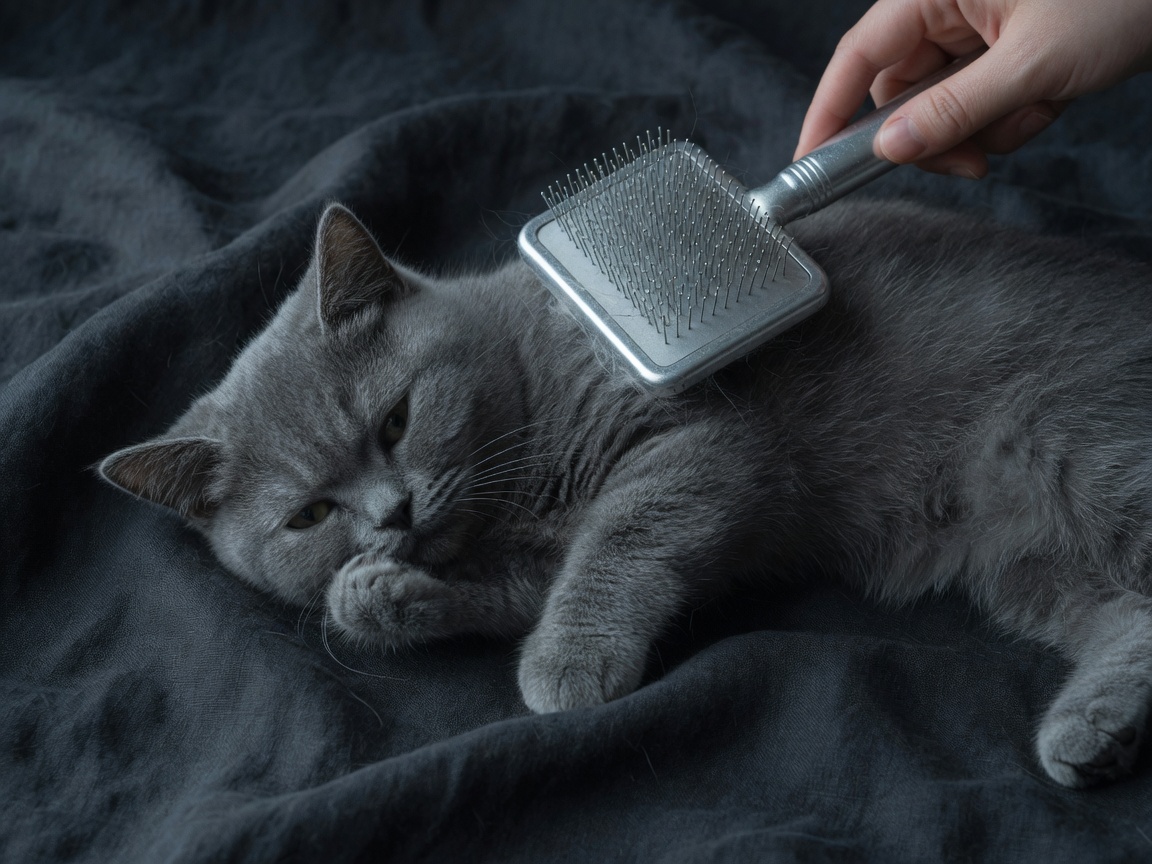
Training a cat not to use its claws can be a difficult task. Cats are naturally inquisitive and active, and it’s natural for them to want to explore, jump, and scratch things. It’s important to understand that cats use their claws for a variety of reasons, including to climb, defend themselves, and mark their territory. With patience, consistency, and a variety of techniques, it is possible to train a cat not to use its claws, both indoors and outdoors.
Introduction
Table of Contents
Cats are beloved pets that bring joy to many households. While cats are known to be affectionate and playful, they can also become destructive if they are not properly trained. One of the most common problems associated with cats is their tendency to use their claws. This can cause damage to furniture, carpets, and even the owner. Fortunately, there are several ways to train a cat not to use its claws.
Determine the Root Cause
The first step in training your cat not to use its claws is to determine the root cause of the problem. Cats will often scratch furniture or carpets as a way to mark their territory. If the cat is feeling stressed or anxious, it may also use its claws as a way to relieve tension. Understanding the underlying reason for the behavior is important in developing an effective training plan.
Provide Alternatives
Once the root cause has been identified, it is important to provide the cat with alternative outlets for its energy. Scratching posts are a great way to redirect the cat’s energy away from furniture and carpets. Cats also enjoy scratching mats, cardboard boxes, and even paper bags. It is important to provide these scratching surfaces in areas that the cat frequents.
Clipping the Claws
Clipping the claws is another effective way to reduce the damage caused by scratching. This is best done by a professional groomer who is experienced in trimming cat claws. Trimming the claws will also make them less sharp, which can help reduce the amount of damage the cat can cause.
Positive Reinforcement
Positive reinforcement is an effective way to encourage the cat to use its claws on the appropriate surfaces. Whenever you catch the cat scratching the scratching post, reward it with a treat or a bit of praise. This will help to reinforce the desired behavior.
Discourage Inappropriate Behavior
It is important to discourage the cat from using its claws on inappropriate surfaces. Whenever the cat is caught scratching the furniture or carpet, a loud noise or spray of water can be used to startle the cat and discourage the behavior. Over time, the cat will learn that it should only use its claws on the scratching post.
Consistency
Above all else, it is important to be consistent when training your cat. If the cat is allowed to use its claws on the furniture or carpet occasionally, it will be difficult to train it not to use its claws. By being consistent and providing the cat with alternative scratching surfaces, the cat will eventually learn to only use its claws on the appropriate surfaces.
#### Common Myths About Training Cats Not to Use Claws
1. Declawing is the only way to train a cat not to use its claws – This is a myth because there are many ways to train a cat not to use its claws without resorting to declawing. This can be done through positive reinforcement, clicker training, and providing appropriate objects for the cat to scratch on.
2. All cats can be trained not to use claws – This is a myth because some cats may be more difficult to train than others. It is important to remember that cats are individuals and may have different personalities and temperaments.
3. It takes a lot of time and effort to train a cat not to use claws – This is a myth because training a cat not to use its claws does not have to be a lengthy process. With the right guidance and patience, a cat can learn not to use its claws in a matter of weeks.
Frequently Asked Questions
Conclusion
: determining the root cause, providing alternatives, clipping claws, positive reinforcement, discouraging inappropriate behaviour, and consistency.
Cats are loving and playful pets, but can become destructive if not properly trained. Training cats not to use their claws can help prevent damage to furniture and carpets. To do this, owners should determine the root cause, provide alternative scratching surfaces, clip the claws, use positive reinforcement, discourage inappropriate behaviour, and be consistent. With these steps, cats can be trained to use their claws appropriately.
Get our latest guides, news, and insights highlighted in your Google Search & AI Overviews.
Keep reading about the same coat and cut.
Popular grooming guides
Bath vs clip, first grooms, and salon how-tos.