Is it OK to shave an indoor cat?
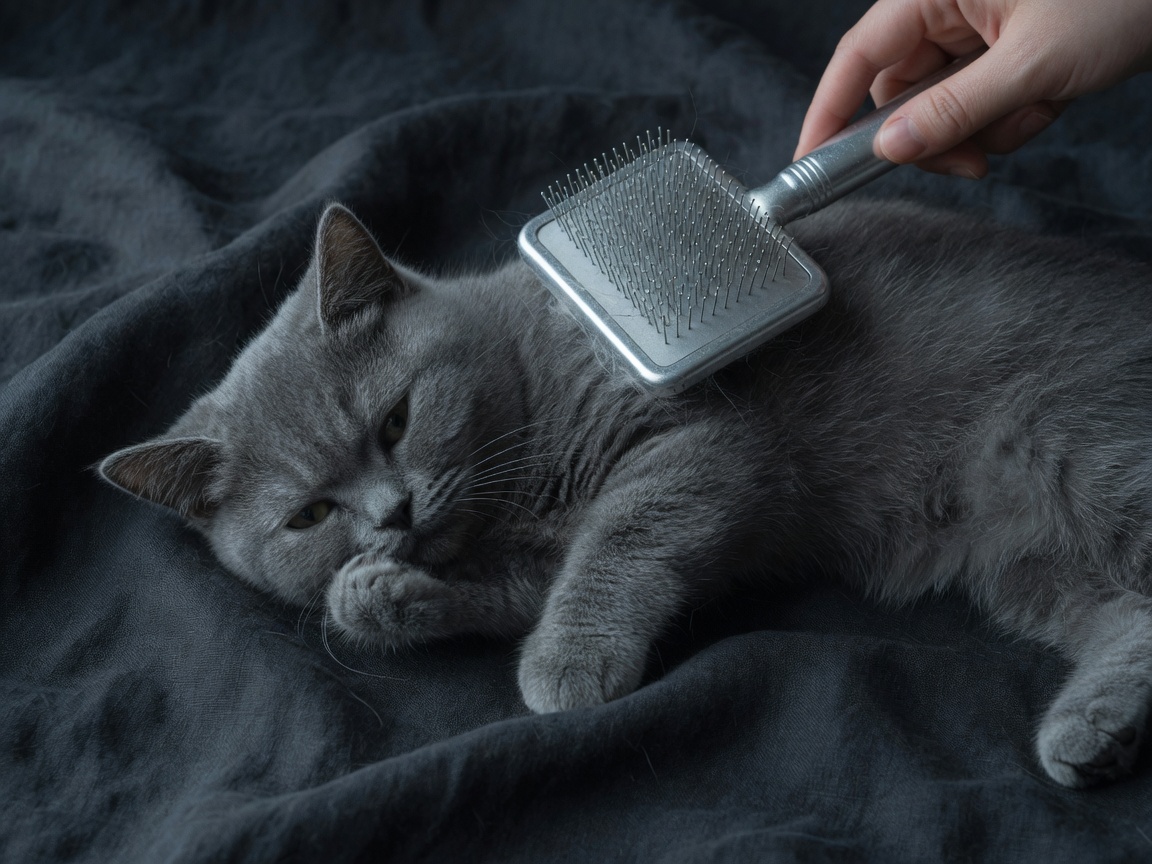
Shaving an indoor cat can be a difficult and controversial topic for many cat owners. It is important to understand the pros and cons of shaving a cat before making a decision. Indoor cats often have very different needs than outdoor cats, and it is important to be aware of these differences when considering shaving an indoor cat. This article will explore the potential benefits and risks of shaving an indoor cat, as well as the best techniques to use. By the end, you should have a better understanding of whether or not it is safe and beneficial to shave your indoor cat.
Should You Shave an Indoor Cat?
Table of Contents
If you own a cat, you may have wondered if it’s okay to shave them. Many cat owners do shave their cats, particularly during the summer months, to help reduce shedding and keep their cats cooler in hot weather. However, shaving a cat can be a difficult decision as there are potential risks involved.
The Pros and Cons of Shaving a Cat
Shaving a cat’s fur can help reduce shedding, decrease fleas and ticks, and keep them cooler in extreme temperatures. Additionally, shaving can help cats with certain health problems, such as allergies or skin conditions. But while there are benefits to shaving a cat, there are also risks associated with it.
One of the biggest risks of shaving a cat is the chance of skin irritation or infection. Cats have very sensitive skin, and if the fur is shaved too close to the skin, it can cause pain and discomfort. Additionally, shaving can cause the fur to grow back in an unnatural pattern, which can be uncomfortable for your cat.
Another potential risk of shaving a cat is the chance of injury to their skin. Cats’ fur helps protect their skin from the environment, and if it’s shaved off, your cat may be more likely to suffer from sunburns, cuts, and scrapes.
Finally, there is the risk of the cat ingesting the shaved hair. Cats are known to groom themselves by licking their fur, and if they swallow the shaved hairs, it can cause an intestinal blockage.
Should You Shave an Indoor Cat?
The decision to shave an indoor cat should be made on a case-by-case basis. If your cat has a skin condition or is suffering from allergies, shaving their fur may provide some relief. However, if your cat is healthy, it’s generally best to avoid shaving them.
If you do decide to shave your indoor cat, it’s important to use the proper tools and techniques. Special clippers designed for cats should be used, and the fur should be trimmed rather than shaved off completely. Additionally, you should take care to avoid shaving too close to the skin as this can cause irritation and discomfort.
Finally, it’s important to keep an eye on your cat after shaving to make sure they’re not suffering from any skin irritation or discomfort. If you notice any signs of discomfort, it’s best to consult with your veterinarian to determine the best course of action.
Overall, it’s important to consider the risks and benefits of shaving an indoor cat before making a decision. If your cat has a skin condition or allergies, it may be beneficial to shave them. But if your cat is healthy, it’s generally best to avoid shaving them.
### Common Myths About Shaving an Indoor Cat
1. Shaving an indoor cat keeps them cool in hot weather – This is false. Cats have fur for a reason—it helps them regulate their body temperature, even in hot weather. Shaving them can actually make them more susceptible to the heat and sunburn.
2. Shaving an indoor cat is good for their skin – This is also false. Shaving can remove their natural oils and cause skin irritations. It can also cause an increase in fleas, as their fur normally helps protect against parasites.
3. Shaving an indoor cat will help reduce shedding – This is not true. Shaving a cat will not reduce the amount of shedding, as the fur will grow back. Regular brushing is the best way to reduce shedding.
4. Shaving an indoor cat is the same as grooming – This is false. Grooming involves more than just shaving, such as nail clipping and ear cleaning. Shaving should only be done as a last resort and with the advice of a veterinarian.
Frequently Asked Questions
Can I shave an indoor cat?
No, it is not recommended to shave an indoor cat. The fur on a cat serves many purposes, including providing insulation against temperature extremes and protection from sunburn and parasites. Removing the fur can cause skin irritation, sensitivity to temperature extremes, and increase the likelihood of sunburn.
Is it OK to use human hair clippers on a cat?
No, it is not recommended to use human hair clippers on a cat. These clippers are designed for human hair and may cause skin irritation or even cuts. It is best to use a clipper designed for animals if you need to trim your cat’s fur.
Conclusion
.
Shaving a cat’s fur can reduce shedding and help with certain health problems, but can also cause skin irritation and infection. Additionally, shaving can cause the fur to grow back in an unnatural pattern and can lead to injury or intestinal blockage if the cat ingests the shaved hairs. When making the decision to shave an indoor cat, it’s important to consider the risks and benefits, and take care to use the proper tools and techniques to avoid skin irritation. Additionally, it’s important to monitor your cat after shaving to make sure they’re not suffering any discomfort.
Get our latest guides, news, and insights highlighted in your Google Search & AI Overviews.
Keep reading about the same coat and cut.
Popular grooming guides
Bath vs clip, first grooms, and salon how-tos.