Dog Grooming
Dog Grooming serves as the foundational canine dermatological and coat hygiene framework, integrating anatomical coat classification, mechanical line brushing, sanitary clipping, and specialized bathing protocols to maintain skin health, prevent pelt matting, and support breed-standard conformation.
Foundational Guides & Core Pillars
7 Best Cowboy Magic Detangler & Dematting Alternatives
In-depth review of professional canine detangling sprays, silicone-free alternatives, and high-slip dematting agents.
The 7 Best Flying Pig Grooming Table Alternatives
Comparative evaluation of heavy-duty hydraulic and electric grooming tables, safety grooming arms, and non-slip tabletop surfaces.
7 Best FURminator Alternatives That Protect Guard Hairs
Veterinary analysis of deshedding rakes, undercoat blades, and carding knives that safely extract undercoat without slicing guard hairs.
The 7 Best Andis UltraEdge AGC2 Clipper Alternatives
Technical review of rotary motor professional dog clippers, 2-speed drive mechanisms, and cool-running blade architectures.
The Architecture of Canine Grooming: Coat Classifications, Tools & Technical Protocols
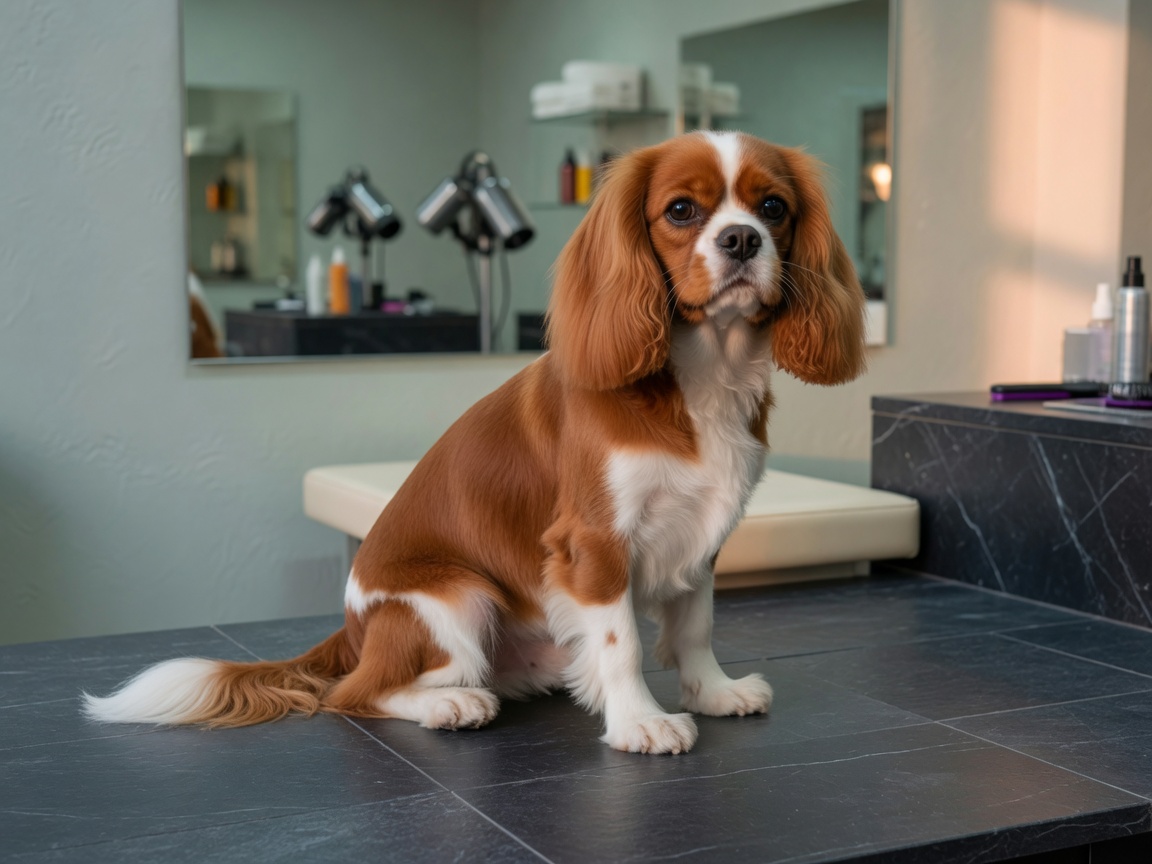
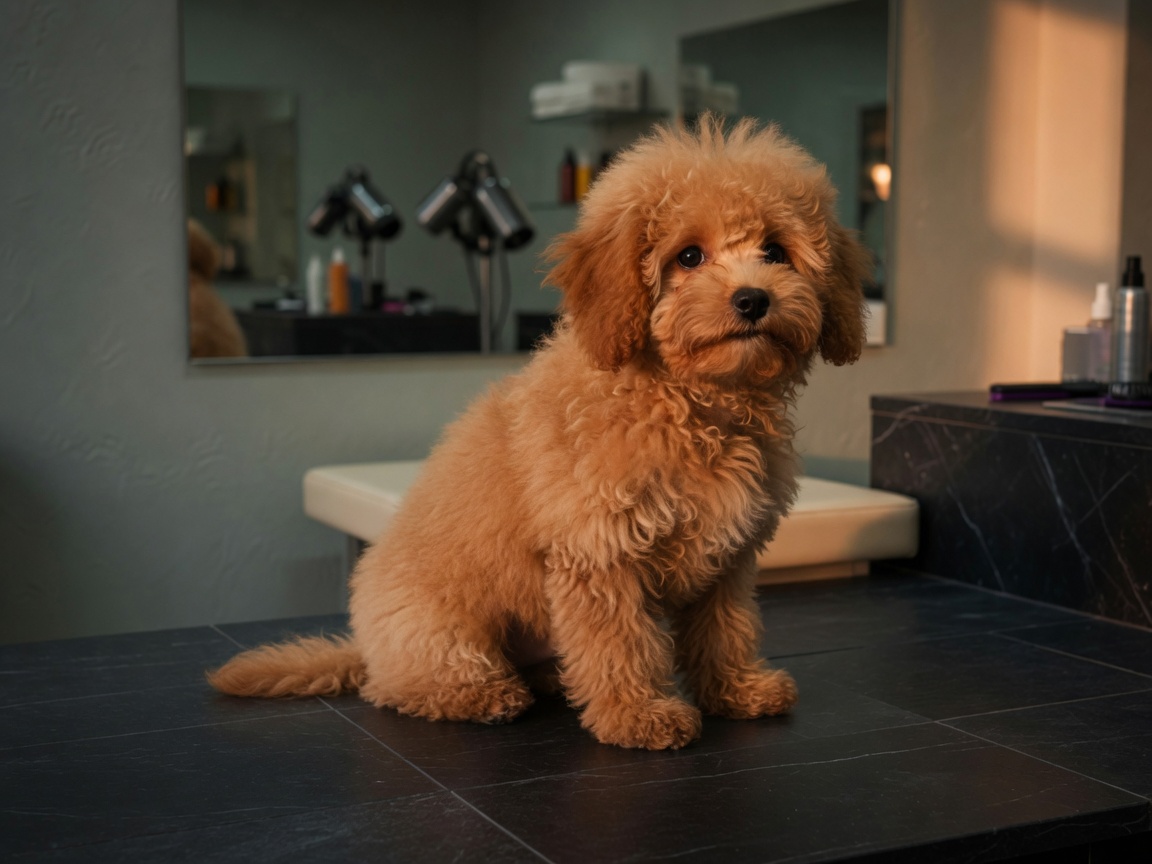
Canine coat anatomy comprises five distinct structural categories: single-layered non-shedding hair (e.g. Poodles, Maltese), double coats with dense thermal undercoats and coarse guard hairs (e.g. German Shepherds, Australian Shepherds), silky drop coats (e.g. Cavaliers), wire coats requiring hand-stripping (e.g. Terriers), and smooth short coats (e.g. Boxers). Each coat classification functions as an intricate biological thermal barrier. Grooming is not merely aesthetic; it regulates dermal temperature, prevents follicular occlusion, and prevents secondary dermatological infections caused by sebum impaction.
A professional canine grooming workflow follows a strict chronological progression: pre-bath inspection and high-velocity deshedding, sanitary clearance (#10 blade on groin, perianal region, and paw pads), ear canal assessment and cleansing, therapeutic bathing formulated to the canine skin pH (6.5 to 7.5), directional force drying, followed by finish combing and precision scissor sculpting. Skipping the thorough pre-bath detangling stage is catastrophic; moisture causes existing knots to felt, shrinking hair bundles and cutting off dermal vascular supply.
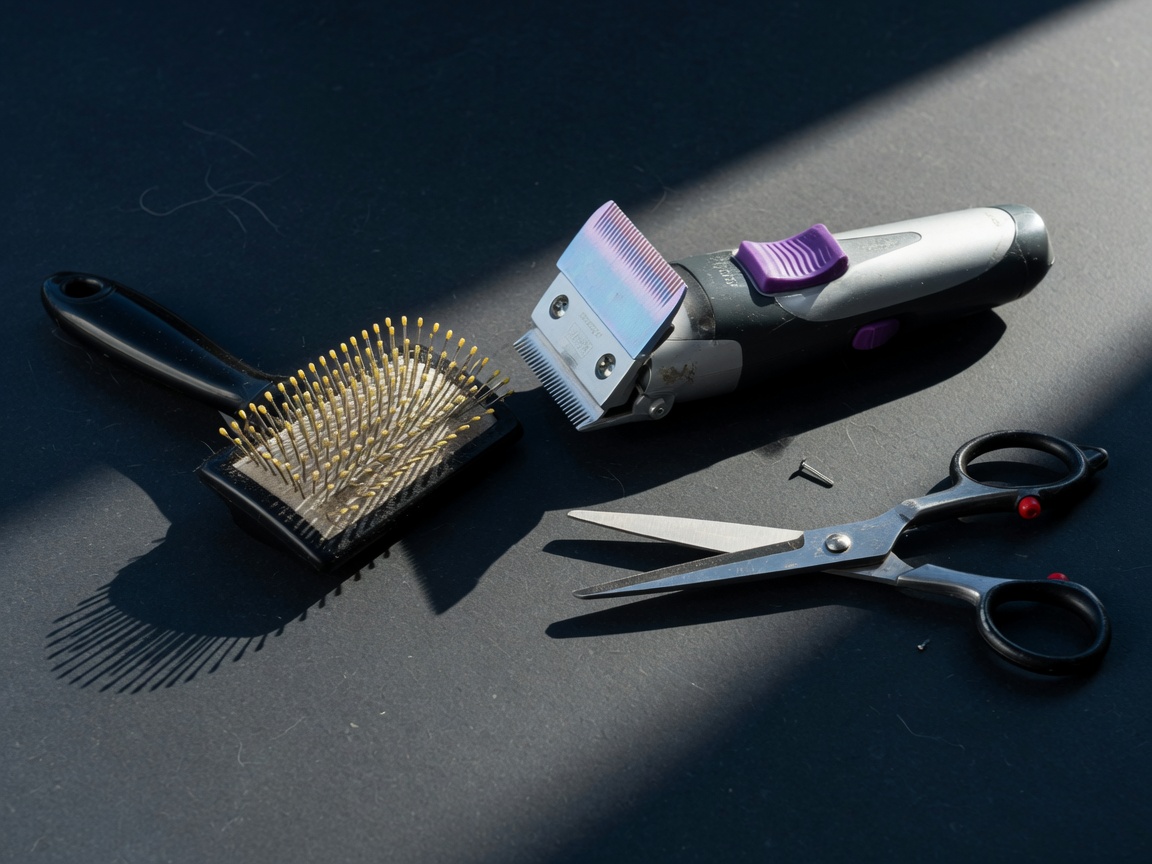
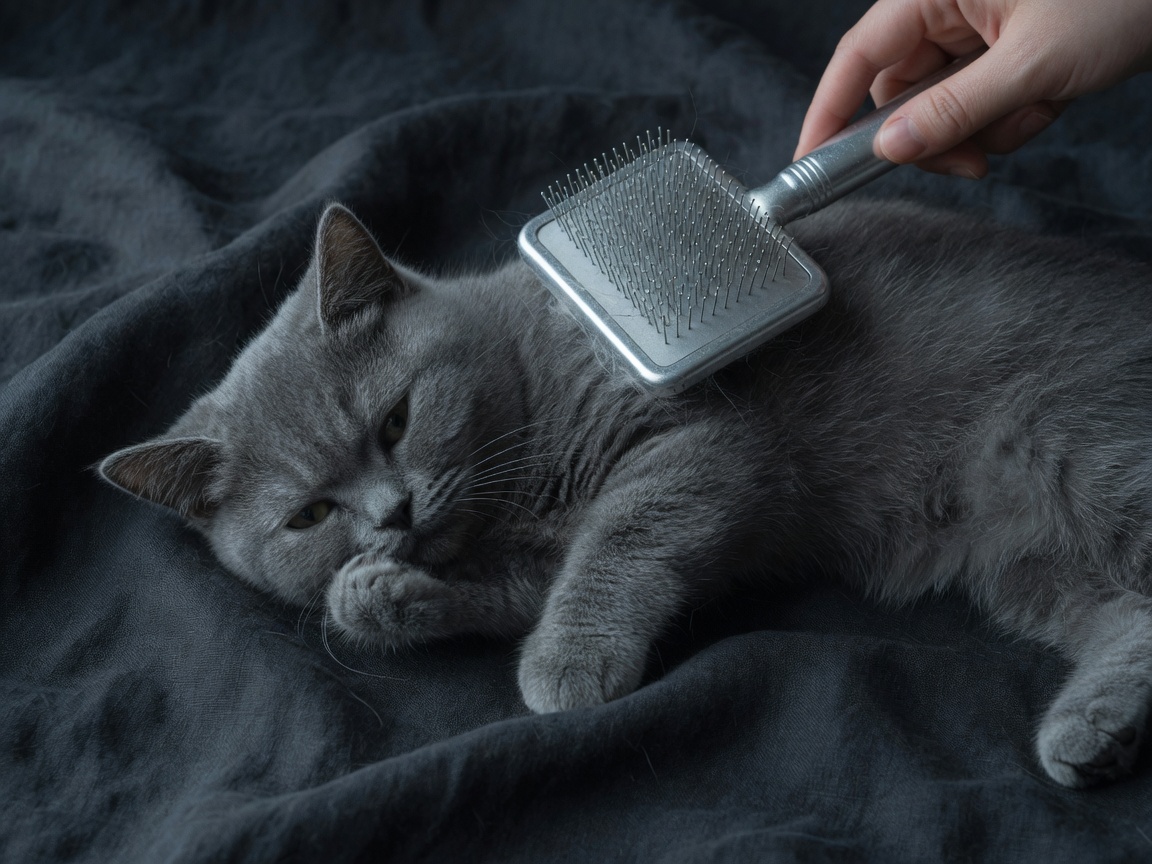
Tool calibration must directly correspond to follicle density. Long-pin slicker brushes (such as bent-wire flexible models) are engineered to separate dense undercoat without scratching the epidermis. Stainless steel dual-gauge Greyhound combs provide definitive zero-tolerance verification: a section is only clean when the comb teeth glide from follicle root to hair tip without resistance. High-velocity dryers with concentrator nozzles blast moisture and dormant dead hairs away from the skin, drastically reducing manual brushing time and preventing post-bath mold or hot spot formation.
| Grooming Phase / Module | Specialized Tool / Asset | Frequency / Threshold | Health Outcome & Conformation Standard |
|---|---|---|---|
| Line Brushing & Undercoat Carding | Long-Pin Slicker & Dual-Tooth Comb | Every 2–7 Days (by coat type) | Prevents pelt matting; removes trapped dander and stimulates sebaceous lipid spread |
| Sanitary & Footpad Clearance | #10 Surgical Blade & Ball-Tip Shears | Every 3–4 Weeks | Prevents fecal contamination; eliminates slipping on smooth floors & interdigital cysts |
| Canine Ear Canal Hygiene | Enzymatic Cleanser & Cotton rounds | Every 2–3 Weeks | Dissolves cerumen wax; prevents moisture retention and painful Malassezia otitis yeast |
| Therapeutic Bathing & Hydrotherapy | Soap-Free Botanical Shampoo (pH 7.0) | Every 3–6 Weeks | Cleanses dermis without stripping natural protective oils; prevents flaky pruritus |
| Nail Grinding & Quick Receding | Diamond Rotary Grinder (Dremel) | Every 2–3 Weeks | Maintains ergonomic foot alignment; prevents splayed digits, arthritic strain, and quick overgrowth |
Topic Directory & Specialized Workflows
Professional Tools & Equipment Benchmarks
Salon Protocols, Handling & Facility Safety
Frequently Asked Questions: Dog Grooming
How often does a dog need a full grooming session?
Long-haired, curly, or drop-coated dogs require professional grooming every 4 to 6 weeks to prevent severe matting. Short-haired or double-coated breeds benefit from full deshedding sessions every 6 to 8 weeks, supplemented by weekly home brushing.
Why should double-coated dogs never be shaved in summer?
Shaving a double-coated dog strips away the protective guard hairs and leaves the undercoat exposed. This destroys natural thermal insulation, increases heat stroke risk, causes sun damage, and often leads to post-clipping alopecia where coat regrows patchy and wiry.
What is the difference between line brushing and surface brushing?
Surface brushing only strokes the top layer of guard hairs, leaving dense tangles untouched at the skin level. Line brushing involves parting the fur down to the skin and brushing section by section from roots outward, ensuring zero matted hair remains.
What blade size is safest for sanitary trims on dogs?
A #10 blade (leaving approximately 1/16 inch / 1.5mm of hair) is the universal industry standard for sanitary clipping. It cuts cleanly without scalping or nicking delicate perianal, inguinal, and scrotal tissues.
 Should I give my dog a sedative before grooming?
 Can I use Dove soap on my dog?
 How much does it cost to get a Pomeranian groomed?
 Is a King Charles Spaniel a smart dog?
 Do dogs hold grudges?
 Are Cavaliers hard to train?
 Do Chow Chows leave hair everywhere?
 Do dogs get cold in the night?
How the dog desk is stacked
This URL is the parent for every photographed breed hub and the guides cluster. Open a coat first when you already know the breed. Open guides when the question is salon order, disease risk, or a first visit.
- Where should I start on the dog desk?
- Start on a breed hub when you live with one coat. Start on guides when the question is how a salon works. Guides desk. Cavalier hub.
- Which coats sit under this hub?
- Cavalier, Poodle, Maltese, Goldendoodle, and the other breed folders in the grid above each keep their own articles. Poodle hub. Maltese hub.
- Where is puppy first-cut help?
- First haircuts and kennel cuts live on the puppy desk, not mixed into adult breed folders. Puppy desk.
Next read
Keep going with guides, puppies, or cats.