What happens if you cut German Shepherd hair?
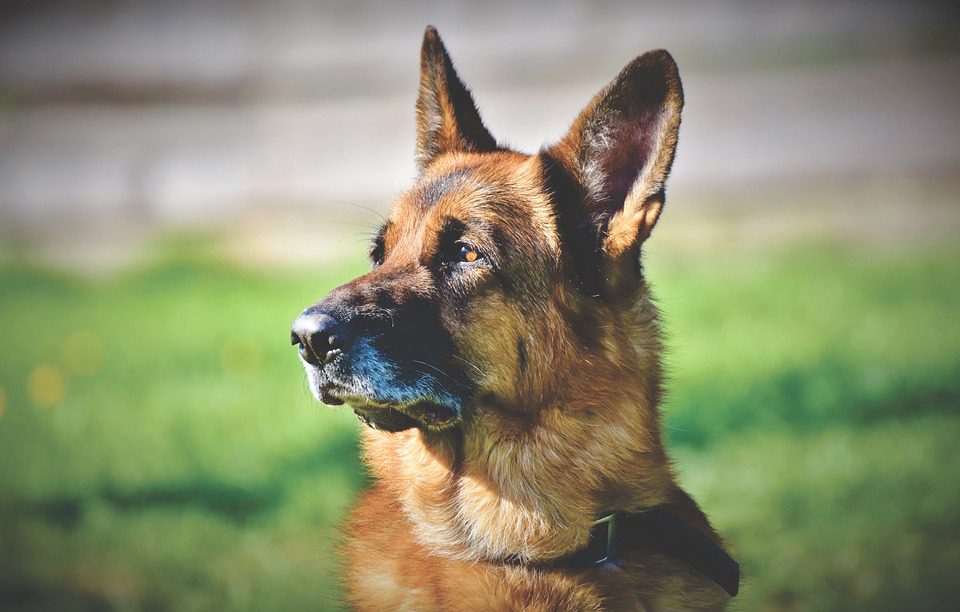
When managing heavy shedding seasons, German Shepherd owners often ask: should you trim a german shepherd? Veterinary dermatologists and master groomers emphasize that you should never shave or scissor-clip a German Shepherd’s body coat; acceptable grooming is limited strictly to sanitary hygiene trims around the groin, trimming paw pad tufts flush with the pads, and routine de-shedding blowouts that preserve the dual-layer thermal barrier.
Should You Trim a German Shepherd? Double Coat Structure, Shaving Dangers, and Sanitary Grooming
Table of Contents
German Shepherds (GSDs) possess a specialized weather-resistant double coat consisting of coarse guard hairs and a dense, insulating undercoat. When deciding whether should you trim a german shepherd, review the impact of different grooming interventions:
| Grooming Action / Zone | Approved Technique | Biological Impact on Coat Health | Veterinary & Breed Recommendation |
|---|---|---|---|
| Body, Spine & Ribcage Coat | Undercoat rake, slicker brush, and forced-air velocity blowout (Zero clipping) | Preserves natural thermo-regulation against heatstroke in summer and freezing rain in winter | DO NOT CUT: Shaving ruins guard hair follicles and causes coat funk |
| Paw Pads & Hock Tufts | #10 blade between pads; curved shears flush with foot perimeter | Eliminates slipping on hardwood, ice ball buildup in winter, and grass burr embedding | Recommended every 4 to 6 weeks |
| Sanitary Groin & Perianal Area | #10 blade gliding lightly over taut skin | Prevents urine scalding and fecal matter adhesion on long rear feathering | Recommended every 4 to 6 weeks |
| Full Body Shave-Down / Buzz Cut | Electric clippers with short blade (#4F, #7F, #10) | Destroys follicle growth cycles; causes post-clipping alopecia and irreversible woolly fuzz | STRICTLY FORBIDDEN (except veterinary surgery sites) |
Top 3 Reasons Shaving a German Shepherd Harms Their Health
- Increased Heatstroke Risk: Guard hairs reflect solar radiation while the undercoat traps a layer of temperate air against the skin. Without this barrier, direct sunlight heats the skin rapidly.
- Post-Clipping Alopecia: Shorn German Shepherd hair follicles frequently enter an extended telogen (dormant) state, resulting in patchy, dark, bald leather skin that may take years to regrow.
- Loss of Natural Water Repellency: Natural sebum oils coat the harsh outer guard hairs, causing rainwater and mud to slide off effortlessly.
The Healthy De-Shedding Alternative to Cutting Hair
- Warm Bath with Deshedding Conditioner: Softens dead undercoat roots and loosens shedding clumps.
- High-Velocity Blowout: High-powered forced air ejects compacted undercoat without cutting a single strand of protective guard hair.
- Undercoat Raking: A stainless steel rotating-pin rake extracts loose fur down to the skin without pulling live hair.
Frequently Asked Questions (FAQ)
Does trimming a German Shepherd stop shedding?
No. Trimming only makes the shed hairs shorter and pricklier; it does not reduce the volume of hair shed. Regular brushing is the only effective solution.
Can you trim the long hair on a German Shepherd’s back legs?
Yes, rear feathering (“trousers”) can be lightly scissored with curved safety shears for cleanliness without shaving the skin.
What should you do if your German Shepherd’s coat was shaved?
Feed omega-3 fatty acid supplements, protect exposed skin with canine sunscreen, and brush daily with a soft bristle brush to stimulate dormant hair follicles.
Get our latest guides, news, and insights highlighted in your Google Search & AI Overviews.
Keep reading about the same coat and cut.



Popular grooming guides
Bath vs clip, first grooms, and salon how-tos.