Chow Chow Barking Behavior Guide: Vocal Triggers & Training
✨ This article was AI edited. Editorial responsibility: Perfect Pooches Grooming.
Produced with AI. This article was artificially generated. Editorial responsibility: Perfect Pooches Grooming.
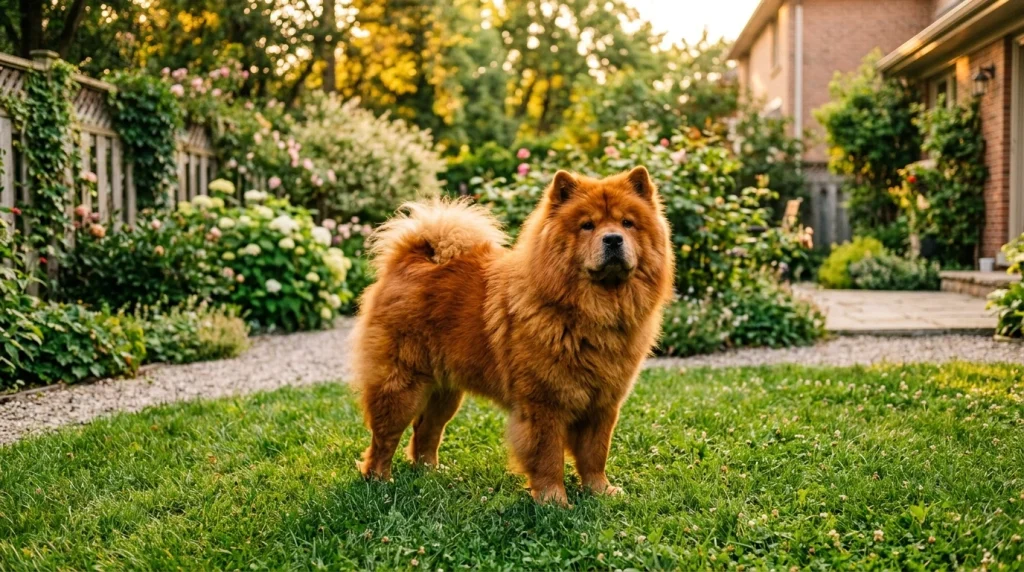
Chow Chow barking behavior is inherently discerning, protective, and low-frequency compared to other breeds. As ancient Chinese temple and estate guardians, Chow Chows rarely engage in nuisance or attention barking; rather, their deep, resonant vocalizations specifically signal perceived perimeter breaches, unfamiliar visitors, or acute territorial encroachment.
Renowned for their regal, cat-like independence and lion-like ruff, the Chow Chow is widely regarded by canine behaviorists as one of the quietest dog breeds in domestic home environments. However, when a Chow Chow does bark, their vocalization carries significant communicative intent. Understanding their evolutionary guarding background, vocal triggers, and subtle body language empowers pet parents to manage territorial behavior effectively without compromising the breed’s noble protective instincts.
Evolutionary Origins: The Guardian of the Orient
Table of Contents
Dating back over 2,000 years to the Han Dynasty of ancient China, Chow Chows performed multifaceted working roles including temple guarding, livestock protection, hunting, and cart pulling. Unlike herding breeds that use repetitive high-pitched barking to control livestock movements, Chow Chows were selectively bred for stealth, calculated observation, and explosive defensive action only when a genuine threat breached the immediate sanctum.
| Bark Type / Vocalization | Acoustic Profile | Associated Physical Posture | Underlying Behavioral Trigger |
|---|---|---|---|
| Perimeter Alarm Bark | Deep, sharp, single or double resonant barks | Stiff posture, ears pinned forward, tail elevated tightly over spine | Approaching delivery personnel, knock at the front door, boundary intruder |
| Low Throaty Rumble / Growl | Continuous vibrating sub-audible rumble | Direct unblinking eye contact, lips slightly drawn | Direct boundary challenge, invasion of personal space while resting |
| Playful “Chuff” or “Huff” | Short, airy puff through nasal passages | Relaxed tail wag, slight play bow, soft facial expression | Anticipation of walks, feeding time, welcoming favored family members |
| Frustration / Distress Vocalization | Repetitive whining or modulated higher-pitched bark | Pacing, lip licking, panting | Social isolation, unmet physical needs, unfamiliar grooming restraint |
Top Triggers for Chow Chow Barking in Modern Households
While naturally reserved, specific domestic scenarios can trigger alert vocalizations in Chow Chows:
- Territorial Boundary Sensitivity: Chow Chows establish strict psychological borders around their home and yard. Visual sightlines to public sidewalks, passing pedestrians, or neighborhood dogs frequently trigger alert barking.
- Suspicion of Unfamiliar Strangers: The breed possesses an innate aloofness toward individuals outside their immediate family pack. Unexpected guests entering the home without structured introductions provoke instinctive defensive vigilance.
- Resource & Rest Protection: Chow Chows value personal space highly. Sudden disturbances while sleeping or approaching high-value chews can prompt warning rumbles.
- Grooming Restraint Anxiety: Due to their thick, sensitive double coat and limited peripheral vision (caused by deep-set eyes and facial folds), abrupt or forceful grooming handling can induce stress vocalizations.
- Auditory Sensitivity at Night: Their keen hearing detects distant nocturnal sounds (wildlife, distant sirens) that trigger low exploratory alert chuffs.
Step-by-Step Training Protocol for Managing Alert Barking
- Implement Visual Sightline Management: Apply frosted privacy film to lower window panes and install solid fencing along perimeter lines to prevent continuous visual stimulation from passing foot traffic.
- Teach the “Thank You & Settle” Command: Acknowledge your Chow Chow’s initial alert bark calmly with a firm “Thank you,” inspect the door, and immediately redirect your dog to a designated raised bed mat with a high-value treat reward.
- Counter-Conditioning Knocking Triggers: Pair the sound of doorbells or knocking with immediate delivery of freeze-dried liver treats, transforming the trigger from a threat into a positive anticipation signal.
- Structured Guest Introductions: Have visitors ignore the Chow Chow initially (avoiding direct eye contact and overhead petting) while casually tossing treats onto the floor, allowing the dog to investigate at their own self-directed pace.
- Early Socialization Protocols: Expose young Chow Chow puppies to diverse sounds, surfaces, people, and neutral canine encounters before 16 weeks of age to prevent fear-based reactivity in adulthood.
- Physical & Mental Decompression: Provide daily olfactory enrichment (sniffaris) and structured puzzle toys to prevent under-stimulation and boredom-related vigilance.
Grooming Considerations for Vocal or Sensitive Chow Chows
Maintaining a Chow Chow’s dense double coat requires careful behavioral desensitization to prevent grooming-related stress vocalizations:
- Slow Tool Acclimation: Allow your Chow Chow to sniff slicker brushes and high-velocity dryers while receiving treats before initiating brushing.
- Line Combing Technique: Part the fur with one hand and comb small sections down to the skin with a metal greyhound comb, avoiding painful coat pulling.
- Frequent Micro-Breaks: Divide extensive 2-hour grooming sessions into shorter 20-minute intervals to maintain calm emotional equilibrium.
Frequently Asked Questions (FAQ)
Are Chow Chows considered aggressive barkers?
No. Chow Chows are naturally stoic and quiet dogs. Their barking is almost exclusively protective and situational rather than chronic or aggressive without provocation.
Why does my Chow Chow bark when the doorbell rings?
The doorbell signals an unknown presence crossing the home perimeter. Their ancient guardian instincts compel them to alert the pack to potential intruders.
Can you train a Chow Chow to stop barking completely?
Eliminating all barking is neither realistic nor healthy for a guardian breed. The goal is managing excessive reactivity and establishing clear recall commands when alert barking occurs.
Do Chow Chows bark at other dogs on walks?
Well-socialized Chow Chows typically ignore other dogs with aloof dignity. Reactivity on walks usually stems from barrier frustration, lack of early socialization, or leash tension.
Why do Chow Chows make grumbling or talking noises?
Chow Chows often communicate pleasure, greetings, or mild requests using a distinctive low throat rumble or chuff, commonly referred to by enthusiasts as breed-specific “talking.”
Get our latest guides, news, and insights highlighted in your Google Search & AI Overviews.
Keep reading about the same coat and cut.



Popular grooming guides
Bath vs clip, first grooms, and salon how-tos.